AI-Powered Scams: Voice Cloning, Deepfakes, and the New Digital Threats
As we move deeper into 2026, the digital scam landscape is increasingly dominated by the sophisticated use of Artificial Intelligence (AI). A growing concern is the rise of AI-Enhanced Voice Cloning scams, where criminals use advanced AI tools to mimic real voices and carry out highly believable fraud.
Alongside these, a range of evolving digital threats are prompting urgent warnings from cybersecurity experts and financial institutions. The public now faces scams that are more convincing, more targeted, and harder to detect than ever before.
The Rise of AI-Enhanced Voice Cloning and Deepfake Extortion
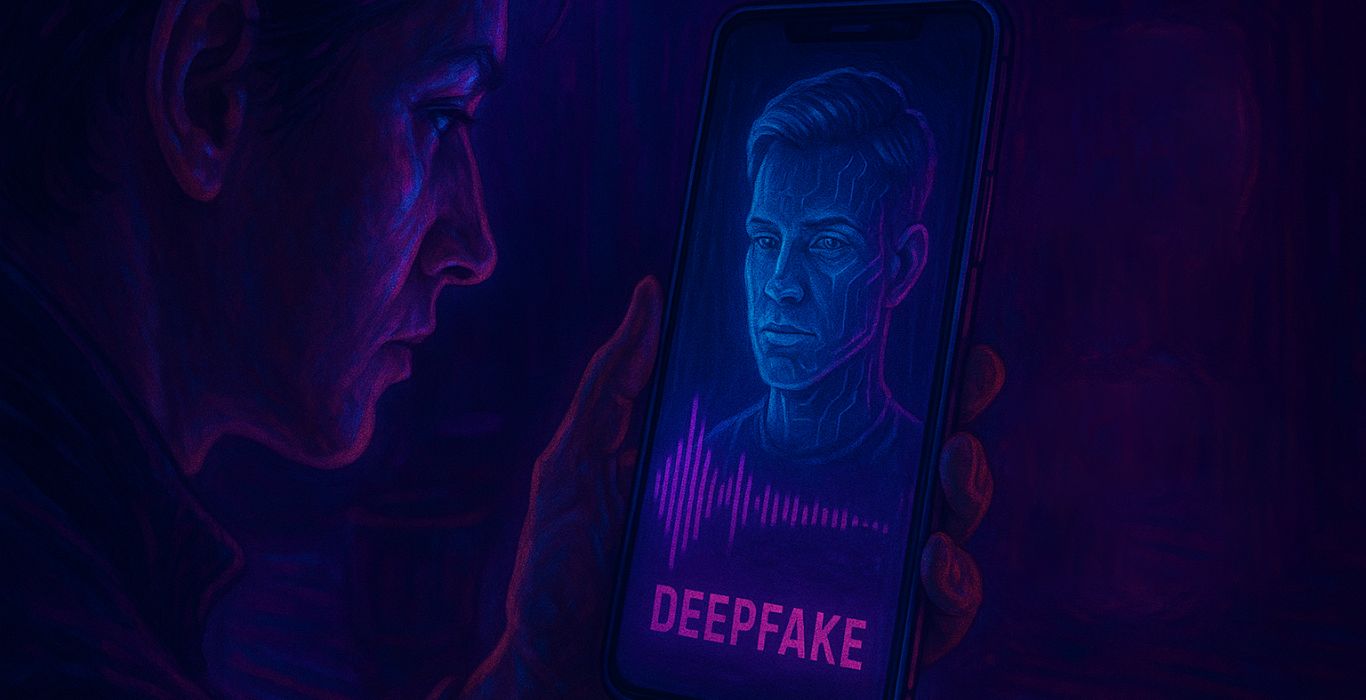
One of the most alarming developments involves AI-powered voice cloning and deepfake technology. Scammers can now clone the voices of family members with shocking accuracy, leading to emotional phone calls where victims believe a loved one is in immediate danger and needs urgent financial help.
In some cases, these voice clones are paired with deepfake video calls, making the deception even more convincing. A particularly disturbing trend is AI extortion, where criminals generate fake compromising images or videos and threaten to release them unless a ransom is paid.
These attacks often target professionals or public figures with reputations to protect. Deepfake tools are increasingly available on the dark web, allowing even non-experts to launch sophisticated impersonation attacks. The effectiveness of AI-Enhanced Voice Cloning makes these scams extremely difficult to detect, as victims hear voices they trust.
Synthetic Identities and Complex Investment Fraud
AI has also enabled the creation of synthetic identities used in large-scale investment fraud. Scammers generate realistic AI-created photos, social media profiles, and personal histories to promote fake investment opportunities, especially in cryptocurrency.
These schemes often resemble “pig butchering” scams — a variation of romance fraud — where criminals build long-term relationships with victims before pressuring them to invest in fraudulent crypto platforms and stealing all their funds.
Traditional investment scams have also grown more complex. Recent UK cases show fraudsters orchestrating multi-million-pound fake investment schemes by cloning legitimate firms, using high-pressure sales tactics, and promising unrealistic returns on non-existent ventures.
Evolving Phishing, Job, and QR Code Scams
While email and text phishing remains widespread, AI has made these attacks more personalized and convincing, often matching or exceeding the effectiveness of human-written scams.
Common targets include cloud services such as Microsoft 365 and Google Workspace, with criminals creating highly realistic fake login pages.
- “Wrong Number” Scams: AI allows scammers to maintain long, natural conversations, gradually building trust before exploiting victims.
- “Quishing” (QR Code Phishing): Malicious QR codes placed in public locations or emails redirect victims to credential-stealing or malware-infected websites.
- Job Scams: Fake offers for high-paying remote roles with little experience required are shared via social media, later demanding bank details or upfront payments.
- Other Noteworthy Scams: Authorities have also warned about government impersonation scams, fake Amazon Prime renewal messages, energy bill relief fraud, and bogus brand giveaways designed to harvest personal data.
Conclusion
The escalating sophistication of digital scams in mid-2025, driven heavily by AI, presents a serious threat to individuals and businesses alike. The ability to clone voices, fabricate identities, and automate highly convincing fraud campaigns underscores the need for extreme caution.
To stay safe, remain skeptical of unsolicited communications, especially those demanding urgency or offering unrealistic rewards. Always verify messages through official channels, avoid clicking suspicious links, and use multi-factor authentication wherever possible.
Staying informed and practicing strong cybersecurity habits are the most effective defenses against these evolving threats. AI-Enhanced Voice Cloning scams represent just how advanced and dangerous modern fraud has become.
References
Experian – The Latest Scams You Need to Be Aware of in 2025
https://www.experian.com/blogs/ask-experian/the-latest-scams-you-need-to-aware-of/PCMag UK – Top Scams to Watch for in 2025
https://uk.pcmag.com/advertising-content/156407/top-scams-to-watch-for-in-2025Rapid7 – Emerging Trends in AI-Related Cyberthreats in 2025
https://www.rapid7.com/blog/post/emerging-trends-in-ai-related-cyberthreats-in-2025-impacts-on-organizational-cybersecurity/Which? – 5 Most Convincing Scams of 2025
https://www.which.co.uk/news/article/5-most-convincing-scams-of-2025-arqkX0a9i0WKMalwarebytes – Amazon Warns Prime Customers About Login Scams
https://www.malwarebytes.com/blog/news/2025/07/amazon-warns-200-million-prime-customers-that-scammers-are-after-their-login-infoYahoo News – Amazon Prime Customers Warned Over Email Scam
https://uk.news.yahoo.com/amazon-prime-customers-email-scam-warning-131224803.htmlCity of London Police – Fraud Gang Jailed Over £6 Million Fake Investment Schemes
https://www.cityoflondon.police.uk/news/city-of-london/news/2025/july/fraud-gang-jailed-over-6-million-fake-investment-schemes/The Law Society Gazette – Solicitor Jailed Over Role in £6m Investment Fraud
https://www.lawgazette.co.uk/news/solicitor-jaled-over-role-in-6m-investment-fraud/5124040.articleExploding Topics – AI Cybersecurity Trends for 2025
https://explodingtopics.com/blog/ai-cybersecurityTechMagic – Phishing Attack Statistics 2025
https://www.techmagic.co/blog/blog-phishing-attack-statisticsGOV.UK – DfT Scam Text Warning
https://www.gov.uk/government/news/dft-issues-warning-about-scam-text-messages-asking-people-to-pay-finesTimes of India – PAN 2.0 Scam Warning
https://timesofindia.indiatimes.com/technology/tech-tips/pan-2-0-scam-warning-fraud-emails-stealing-pan-aadhaar-and-bank-details-know-how-to-stay-safe-and-other-important-information/articleshow/122873544.cms
Written By
Our editorial team aggregates and verifies scam reports from threat-intelligence feeds (URLhaus, OpenPhish, PhishTank) and U.S. government complaint data (FTC, FCC), plus community submissions. See our methodology for how every record and article is sourced and reviewed. Read our methodology →