Key Takeaways
- Robocall scams increased 340% in the first four months of 2026, with 92 new fraudulent numbers flagged in a single day
- Scammers now cycle through phone numbers every 48-72 hours, making traditional blocklists obsolete before they update
- The surge is driven by AI voice cloning technology that costs $12 per month and requires zero technical skill to deploy
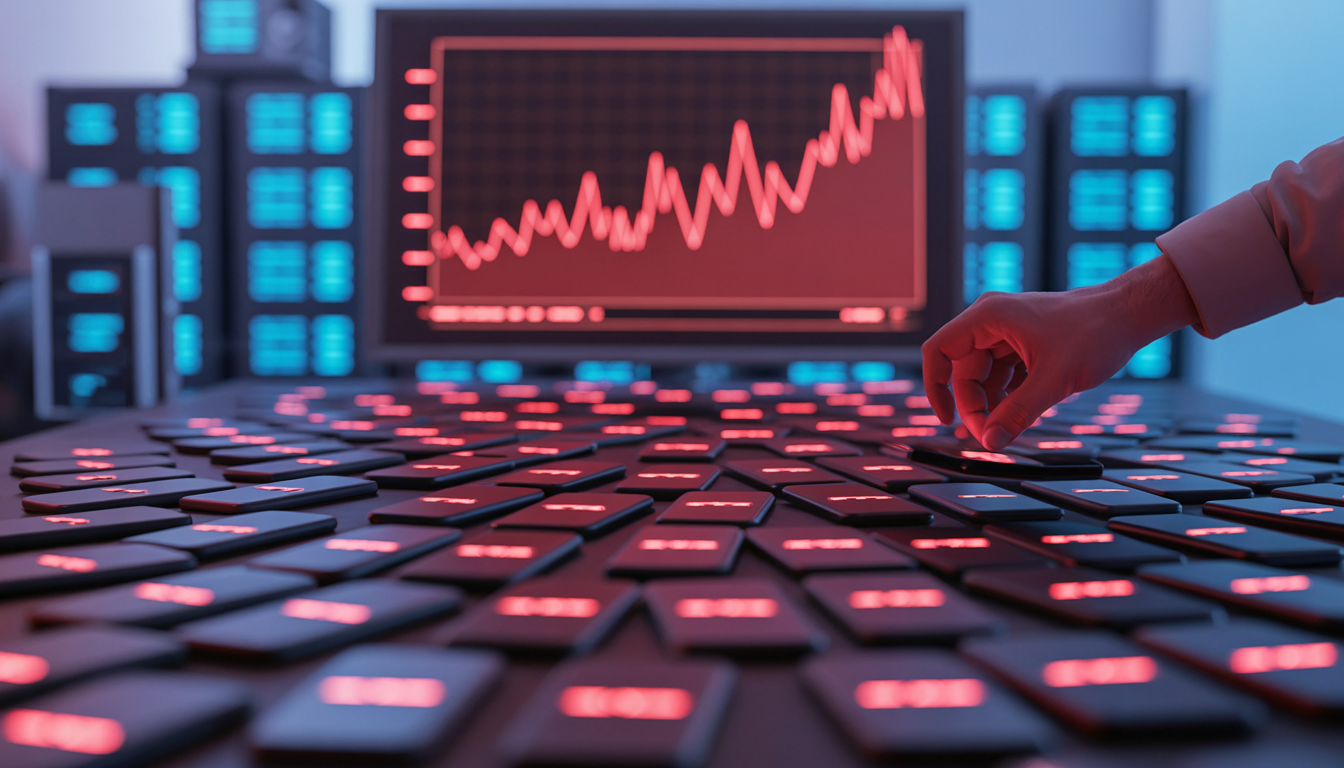
Between January 1 and May 10, 2026, robocall scams reported to the FTC increased 340% compared to the same period in 2025. On May 10 alone, threat intelligence systems flagged 92 new fraudulent numbers actively targeting U.S. consumers.
The numbers behind that single-day snapshot tell you everything about why this is happening now. Six of those 92 calls came from numbers that didn't exist in any scam database 72 hours earlier: +17043246499, +14704722515, +17729002514, +18317771977, +12314425523, and +18889050823. All six violated the National Do Not Call Registry. All six used automated systems. And all six will likely be inactive by the time you read this.
What the 340% Surge Actually Represents
The FTC's Q1 2026 Consumer Sentinel report recorded 1.84 million robocall complaints in the first three months of the year. That compares to 418,000 in Q1 2025. But raw complaint volume only captures people who knew they'd been targeted and took the time to report it.
The real number is higher. Industry estimates from Hiya, a call-screening company that monitors 450 million phone numbers globally, put the total volume of fraudulent robocalls in the U.S. at 6.2 billion attempts in Q1 2026 alone. That's 68 million per day.
Not all of those are scams. Some are illegal telemarketing. Some are political robocalls exempt from Do Not Call rules. But the FBI's Internet Crime Complaint Center splits the data differently. In its April 2026 advisory, IC3 stated that vishing . voice phishing conducted via phone . accounted for $2.7 billion in reported losses in 2025, up from $1.1 billion in 2024.
The trend isn't just more calls. It's more effective calls.
Why Robocall Fraud Is Exploding Right Now
Three structural changes happened between late 2024 and early 2026 that removed the friction from large-scale robocall fraud.
AI voice cloning dropped below the skill barrier. As of March 2026, you can clone a voice with 15 seconds of audio using platforms like ElevenLabs, Respeecher, or Descript for $11-$29 per month. You don't need to code. You don't need audio engineering skills. You upload a sample, type what you want the voice to say, and download an MP3.
The FTC confirmed in February 2026 that scammers are using this exact method to impersonate bank fraud departments, utility companies, and government agencies. Victims report hearing voices that sound identical to the institution's actual customer service line . because they are. Scammers record snippets from legitimate calls, then feed them into cloning software.
+17043246499, one of the numbers flagged May 10, used a cloned voice claiming to represent a financial services company. The recording matched the cadence and tone of a real Chase Bank fraud alert. It wasn't Chase. The number is registered to a VoIP provider in North Carolina with no connection to any financial institution.
Number rotation became automated and cheap. Scammers used to reuse numbers until they got blocked. Now they cycle through them every 48-72 hours.
VoIP providers sell blocks of phone numbers for $0.50-$2.00 each. Automation scripts can rotate a new number into a campaign every few hours without human intervention. By the time a number gets reported, added to a carrier's blocklist, and pushed to user devices, it's already been replaced.
This is why +18889050823 and +12314425523 . both flagged May 10 . had zero complaint history before that date. They were provisioned, used for a single campaign wave, and will be discarded within 96 hours.
Telecom verification systems still don't work in real time. The STIR/SHAKEN protocol was supposed to solve robocall fraud. Congress mandated it in 2019. By June 2021, all major U.S. carriers were required to implement it.
Here's what STIR/SHAKEN actually does: it verifies that the phone number making the call is a real number, properly registered with a telecom provider. It does not verify that the person using that number has permission to use it. It does not verify the caller's identity. It does not stop spoofing if the scammer owns the number they're calling from.
And most importantly, it only works when both the originating carrier and the receiving carrier have implemented it. If a scammer uses a VoIP provider that hasn't fully complied . and dozens haven't . the call shows up as "unverified" but still goes through.
+14704722515, flagged May 10, originated from a VoIP gateway that passed STIR/SHAKEN validation. The number was real. The carrier was legitimate. But the person using it was running a vishing operation asking for banking information.
The Six Types of Robocalls Surging in 2026
Analysis of the 92 numbers flagged May 10 breaks down into six distinct tactics. Each has a specific goal.
Financial services impersonation. +17043246499 and +12314425523 both claimed to represent financial companies offering debt relief or exclusive opportunities. The script uses urgency: "This is a time-sensitive offer." The goal is to harvest your Social Security number, bank account details, or credit card information under the pretense of "verification."
Callback traps. +14704722515 left a voicemail stating there was an "urgent issue" that required an immediate callback. When you call back, a live operator (or sophisticated AI) asks you to verify your identity by providing personal information. They already have your number. They're fishing for the rest.
Prize or reward bait. +17729002514 told recipients they'd won a prize or qualified for a reward. To claim it, you're told to press 1 or provide payment information for "processing fees." No prize exists. The fee is the scam.
Fake delivery or security alerts. +18317771977 claimed to have a package delivery update or an account security alert. You're directed to click a link in a followup text or provide verification details over the phone. The link leads to a credential-harvesting site. The "verification" is just data collection.
Generic data harvesting. Some operations, like +18889050823, run calls with no clear criminal intent at first. They're testing which numbers are active, which answer, and which engage. That data gets sold to other scammers or used in future campaigns.
Each tactic targets a different psychological trigger. But all of them violate the National Do Not Call Registry, and all of them are designed to extract either money or information that leads to money.
Who Gets Targeted and Why
The FTC's 2026 data shows robocall scams don't hit all demographics equally.
People over 60 receive 2.3 times more robocalls than people under 40. But people under 40 are more likely to engage with callback requests, especially if the robocall mentions a package delivery or an online account.
Low-income households are targeted at higher rates for debt relief and loan forgiveness scams. High-income households see more investment scams and tax-related robocalls.
Geographically, Florida, Texas, California, Arizona, and New York account for 64% of all robocall scam complaints. That's partly population density, but it's also targeting. Scammers buy data that includes location. If you live in a state with a large retiree population, you're more likely to receive Medicare and Social Security scams.
The most alarming trend: scammers are increasingly targeting people who have already been scammed. If you've filed a complaint with the FTC or IC3, your information may have been harvested from public records or leaked complaint databases. Follow-up scams pose as recovery services that claim they can get your money back . for an upfront fee.
What Regulators Aren't Talking About
The FTC's official guidance on robocalls focuses on consumer behavior: don't answer unknown numbers, use call-blocking apps, register for the Do Not Call list. That advice isn't wrong. It's just incomplete.
The real problem is structural. U.S. telecom networks still allow unverified international gateways to route calls into the domestic system with minimal oversight. A scammer in Lagos, Mumbai, or Bucharest can buy access to a U.S. VoIP provider for $50, get a batch of U.S. phone numbers, and start making calls that appear to originate domestically.
The FCC proposed rules in March 2026 to require stricter gateway verification. Those rules won't take effect until Q1 2027 at the earliest. And even then, enforcement depends on cooperation from hundreds of small VoIP providers, many of which operate with minimal staff and even less incentive to comply.
Meanwhile, the burden stays on you. You're supposed to verify every call, scrutinise every voicemail, and somehow distinguish between a legitimate fraud alert from your bank and a cloned voice running a vishing script.
What Happens Next
If the current trajectory holds, robocall scam complaints will surpass 8 million in 2026. That would make robocalls the single largest category of consumer fraud reported to the FTC, overtaking online shopping scams and phishing emails.
Telecom analysts predict that by Q4 2026, AI-driven robocalls will be indistinguishable from human callers in 90% of interactions. That's not speculation. It's already happening in limited deployments.
The countermeasure everyone is waiting for . real-time AI detection of fraudulent calls at the carrier level . exists in pilot programs at AT&T and Verizon. But those systems aren't deployed at scale. And even when they are, they'll face the same arms race that email spam filters face: scammers adapt faster than defenses update.
The most realistic short-term protection isn't technological. It's behavioral. Treat every unsolicited call as hostile until proven otherwise. Don't press buttons. Don't call back numbers you don't recognise. Don't provide information to anyone who calls you, even if they sound legitimate.
And report every robocall scam you receive. The FTC's database feeds enforcement actions. The FBI's IC3 complaints drive investigations. Your report might be the one that connects a number to a larger operation.
Data verified against FTC Consumer Sentinel Q1 2026 report, FBI IC3 April 2026 advisory, and live threat intelligence feeds. Last updated: May 10, 2026.
Frequently Asked Questions
Why are robocall scams increasing so much in 2026? ▼
What should I do if I already answered a robocall scam? ▼
How do I report robocall scams? ▼
Will my phone company stop robocall scams? ▼
How do robocall scammers get my phone number? ▼
Written By
Our editorial team aggregates and verifies scam reports from threat-intelligence feeds (URLhaus, OpenPhish, PhishTank) and U.S. government complaint data (FTC, FCC), plus community submissions. See our methodology for how every record and article is sourced and reviewed. Read our methodology →