Widespread Phishing Scams: How to Spot Digital Traps and Stay Safe
Imagine getting a message that looks completely real, but it’s actually designed to steal your money or personal information. That’s exactly what Widespread Phishing scams are doing to people every single day in mid-2025.
These digital traps appear in emails, text messages, social media, and even QR codes. As cyber criminals become more sophisticated, learning how to recognize phishing attempts is essential to protecting your finances and identity.
Phishing: The Sneaky Bait in Your Digital Life
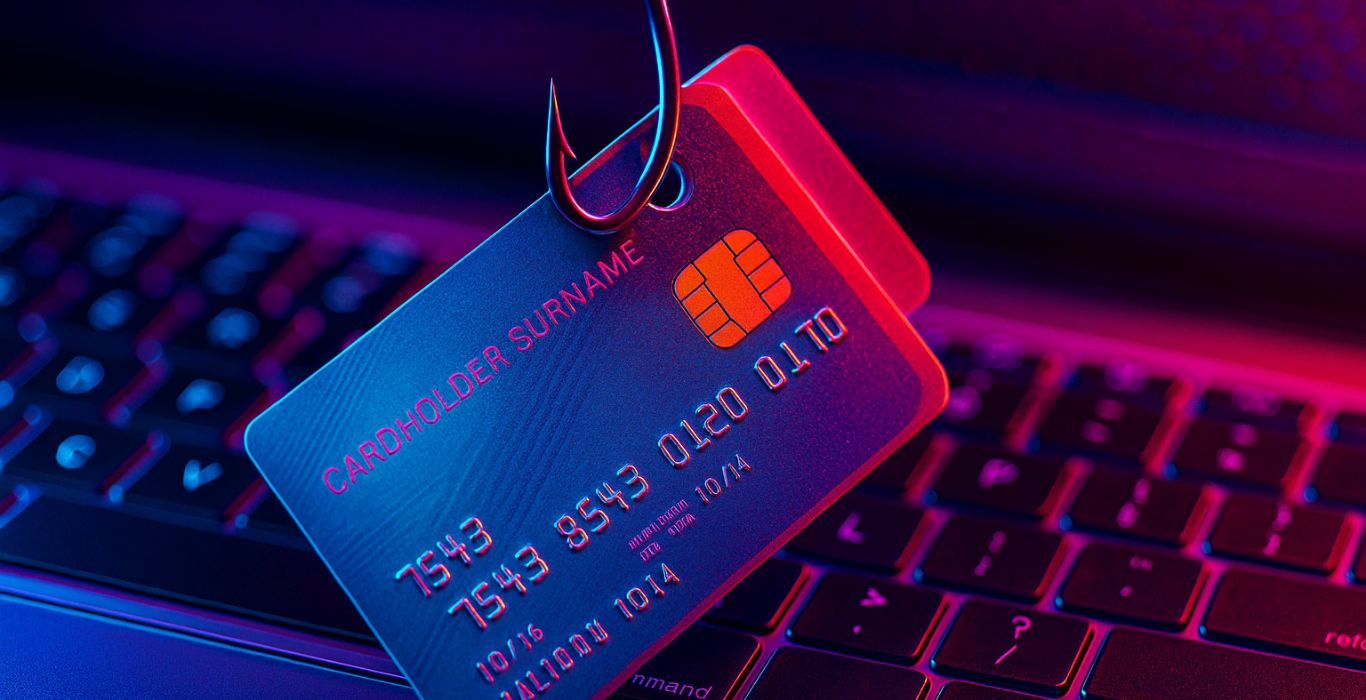
Widespread Phishing is essentially a digital fishing expedition. Scammers send out large volumes of fake messages, hoping someone will take the bait.
They impersonate trusted organizations such as banks, government departments, delivery services, or popular online retailers. These messages often create fear (“Your account has been locked”) or excitement (“You’ve won a prize”), pressuring you to click a link.
That link leads to a fake website designed to look identical to the real one. When you enter login credentials, card details, or personal information, you unknowingly hand them over to criminals.
These scams include fake Amazon Prime renewal emails, messages about unpaid traffic fines, or QR codes in public places that redirect to fraudulent websites.
When Scammers Pretend to Be Someone Else
Phishing scams go beyond fake links. Criminals frequently impersonate trusted figures to gain credibility.
- Pretending to Be Your Bank or a Business: Scammers may call or text claiming there is suspicious activity on your account and ask you to confirm details or transfer money. Real banks never ask for full passwords or request money transfers to “safe” accounts.
- Offering a “Dream Job”: Messages offering high-paying jobs you never applied for often request bank details, upfront fees, or payments for equipment. This is a common fraud tactic.
- Pushing Fake Investment Opportunities: These scams promise high returns, often involving cryptocurrency. Scammers may show fake profits before disappearing with your money.
If an offer sounds too good to be true, it almost always is.
Simple Steps to Stay Safe Online
Protecting yourself from Widespread Phishing does not require advanced technical skills.
- Stop and Think Before You Click: Check whether you were expecting the message. Inspect the sender’s email address carefully for spelling errors or unusual domains.
- Verify Independently: If a message claims to be from a bank or government agency, find the official contact details yourself and reach out directly.
- Use Strong Passwords and Two-Step Verification: Create unique passwords for each account and enable multi-factor authentication wherever possible.
- Be Wary of Urgency: Messages demanding immediate action are a major warning sign. Take a moment to pause and verify.
Conclusion
Widespread Phishing and other digital scams remain a constant threat in mid-2025. However, awareness and simple precautions can significantly reduce your risk.
By learning to recognize warning signs and adopting safe online habits, you can protect your money, identity, and peace of mind. Stay alert, stay informed, and stay safe online.
References
Experian – The Latest Scams You Need to Be Aware of in 2025
https://www.experian.com/blogs/ask-experian/the-latest-scams-you-need-to-aware-of/TechMagic – Phishing Attack Statistics 2025
https://www.techmagic.co/blog/blog-phishing-attack-statisticsNational Cyber Security Centre (NCSC) – Suspicious Email and Text Messages
https://www.ncsc.gov.uk/collection/phishing-scamsGOV.UK – Check if an Email You’ve Received from HMRC Is Genuine
https://www.gov.uk/guidance/check-if-an-email-youve-received-from-hmrc-is-genuineGOV.UK – DfT Warning About Scam Text Messages Asking for Fines
https://www.gov.uk/government/news/dft-issues-warning-about-scam-text-messages-asking-people-to-pay-finesMalwarebytes – Amazon Warns Prime Customers of Login Scams
https://www.malwarebytes.com/blog/news/2025/07/amazon-warns-200-million-prime-customers-that-scammers-are-after-their-login-infoYahoo News – Amazon Prime Customers Warned Over New Email Scam
https://uk.news.yahoo.com/amazon-prime-customers-email-scam-warning-131224803.htmlPCMag UK – Top Scams to Watch for in 2025
https://uk.pcmag.com/advertising-content/156407/top-scams-to-watch-for-in-2025City of London Police – Fraud Gang Jailed Over £6 Million Fake Investment Schemes
https://www.cityoflondon.police.uk/news/city-of-london/news/2025/july/fraud-gang-jailed-over-6-million-fake-investment-schemes/Which? – 5 Most Convincing Scams of 2025
https://www.which.co.uk/news/article/5-most-convincing-scams-of-2025-arqkX0a9i0WK
Written By
Our editorial team aggregates and verifies scam reports from threat-intelligence feeds (URLhaus, OpenPhish, PhishTank) and U.S. government complaint data (FTC, FCC), plus community submissions. See our methodology for how every record and article is sourced and reviewed. Read our methodology →